Analog accuracy: Unlike digital processors, the Dumblifier responds “punchy compression” and smooth sustain that Dumbles are known for.
Direct access to the real thing: Beyond studying schematics, recordings, and every available piece of information, we had the rare opportunity to spend time with a genuine 1970’s Dumble ODS in Tokyo, Japan. Thanks to a devoted DSM Humboldt fan, we were allowed to test and analyze this priceless relic, an experience that gave us invaluable insights to fine-tune the Dumblifier’s design.
Beyond boutique limitations: Until now, the few available alternatives were extremely expensive and produced only in limited, made-to-order quantities, never intended for mass availability.
True versatility: Other so-called “Dumble-style” pedals are meant to run in front of amplifiers, so the final tone depends mostly on the amp itself. The Dumblifier, however, goes further—it can operate as a complete analog amp replacement with cab-sim and stereo features, or as a two-channel overdrive pedal in front of any rig. Its TRS outputs with cab-sim bypass make it extraordinarily flexible.
All-in-one solution: With stereo FX loop, stereo reverb, cabinet simulation, and DI outputs, the Dumblifier is equally at home on stage, in the studio, or in your practice setup.
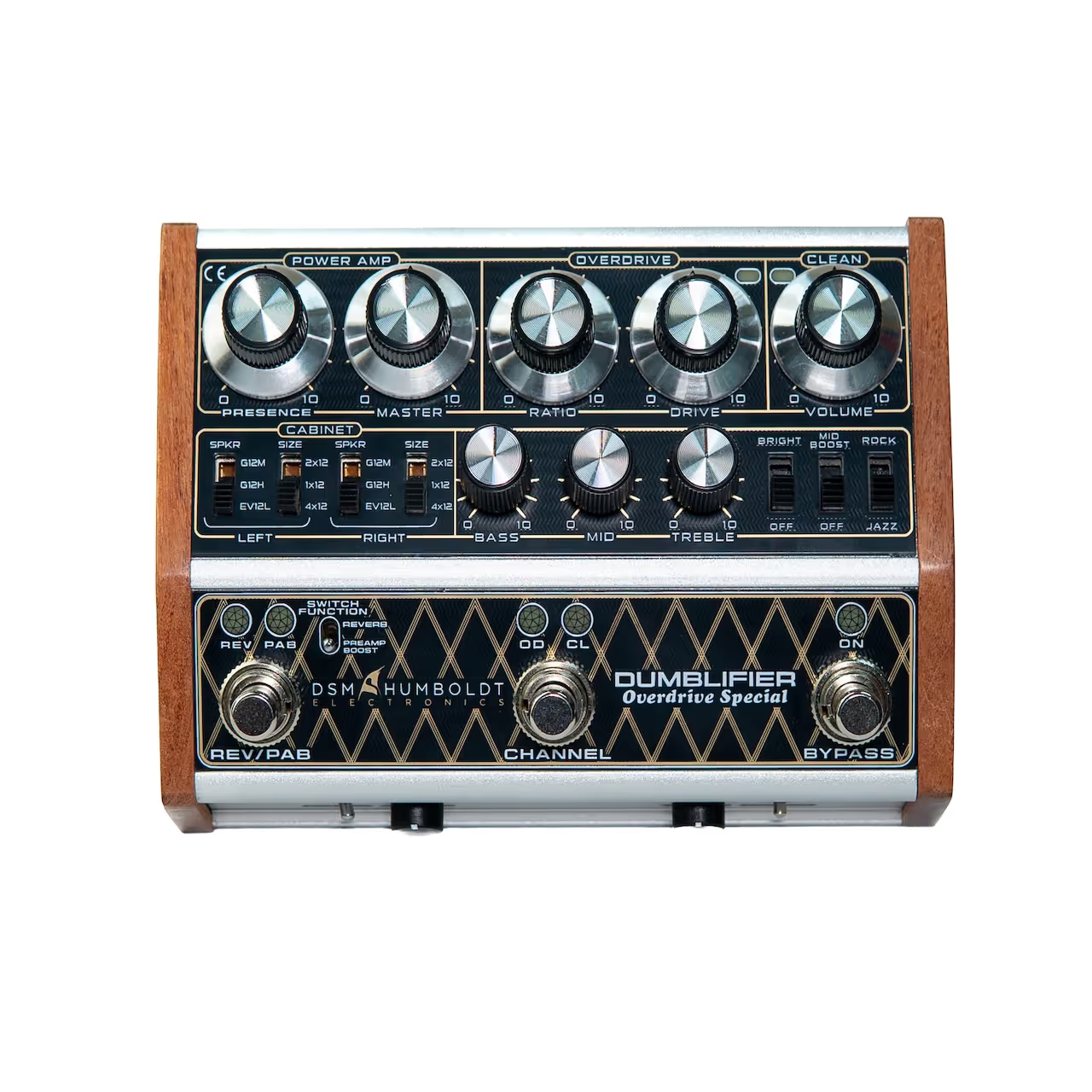
• 2 channels: CLEAN and OVERDRIVE. The clean Channel is in series with the Overdrive Channel, so the Clean level affects the gain of the Overdriven tones. Both Channels share the EQ and preamp tone switches. The Overdrive Channel has Gain and Ratio controls. The Ratio controls the level of the OD channel to balance it with the Clean Channel Level.
• PAB Boost: The PAB (Pre-Amp-Boost) is a staple feature on every Dumble ODS amp. It Bypasses the tone stack, adding around 10dB (depending on the EQ settings) to the preamp gain. Note: The Tonestack is defeated when the PAB is activated.
• Bright Switch: Boosts the high frequencies at lower Clean levels. At full clean level it has no effect.
• Mid Boost Switch: Boosts the mid and low mid range, producing a full bodied tone, very nice with single coils!
• Rock/ Jazz Switch: Changes the behaviour of the tone stack. Rock is a classic FMV tonestack, and Jazz is a Baxandall-James configuration. Jazz mode has less gain, but increased band independence and range.
• Power amp section: The Dumblifier replicates the nuances of the Dumble power amp design. The clean Level and RATIO volumes set the input gain into the power amp, so you can adjust the power amp compression and drive by setting the Power amp Master Level in conjunction with the Ratio and Clean Level. Higher preamp levels and low master gives more compression and vice versa. The presence controls the amount of mid-hi and high frequencies. It has a wide range in order to adapt the pedal to different types of amplifiers.
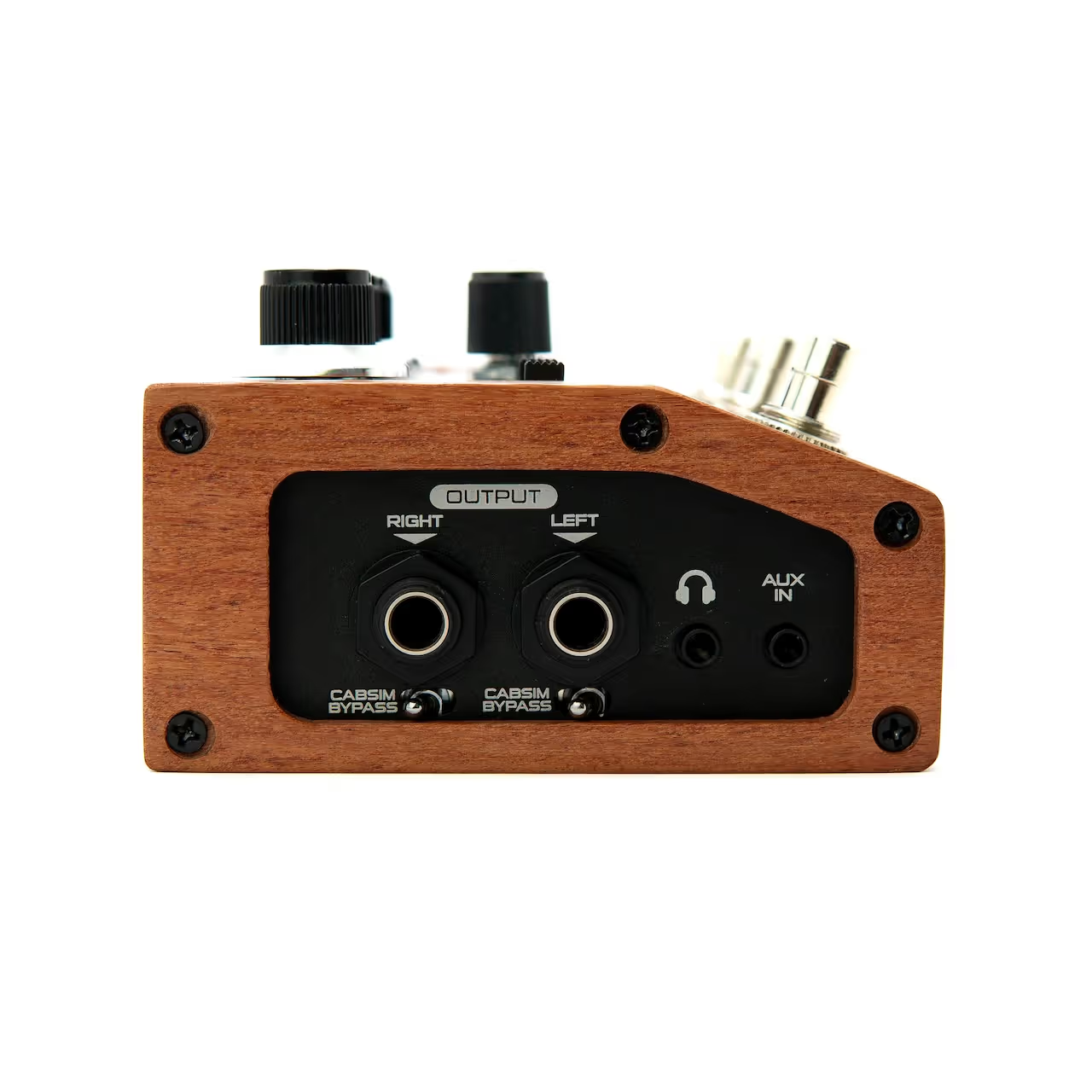
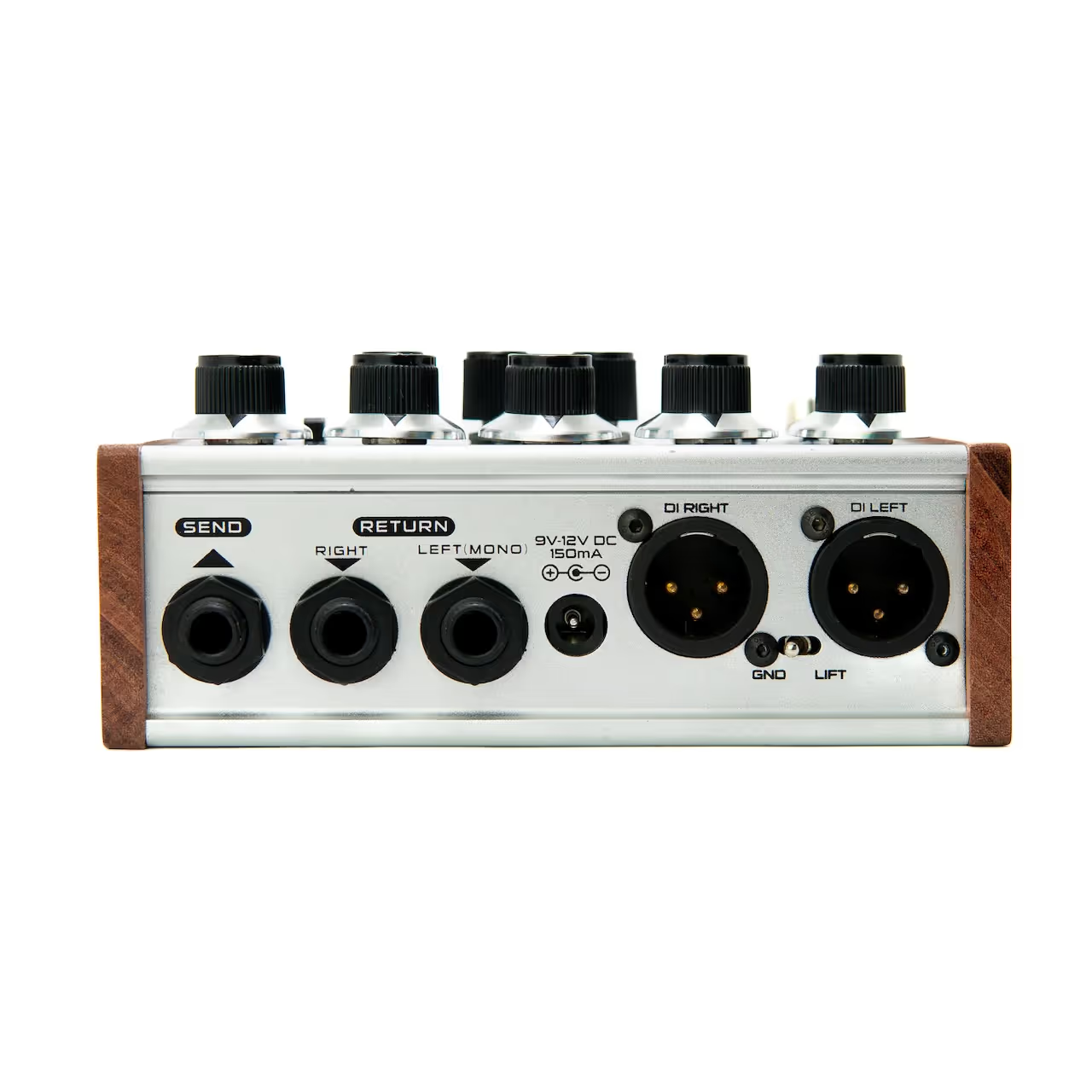
• Stereo FX loop: The FX loop has a mono send from the amplifier’s output, and a dual return. For mono effects use the left (mono) return.
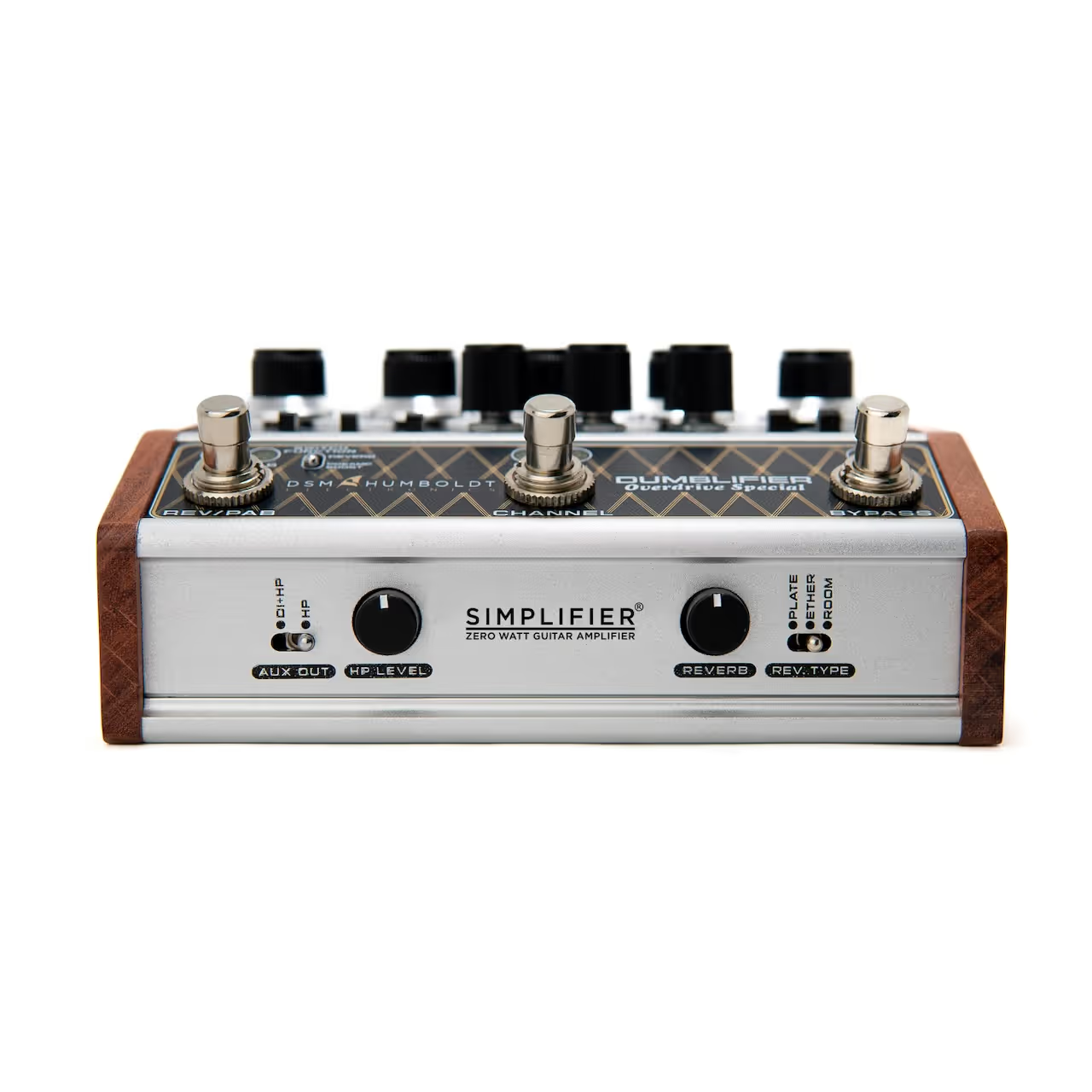
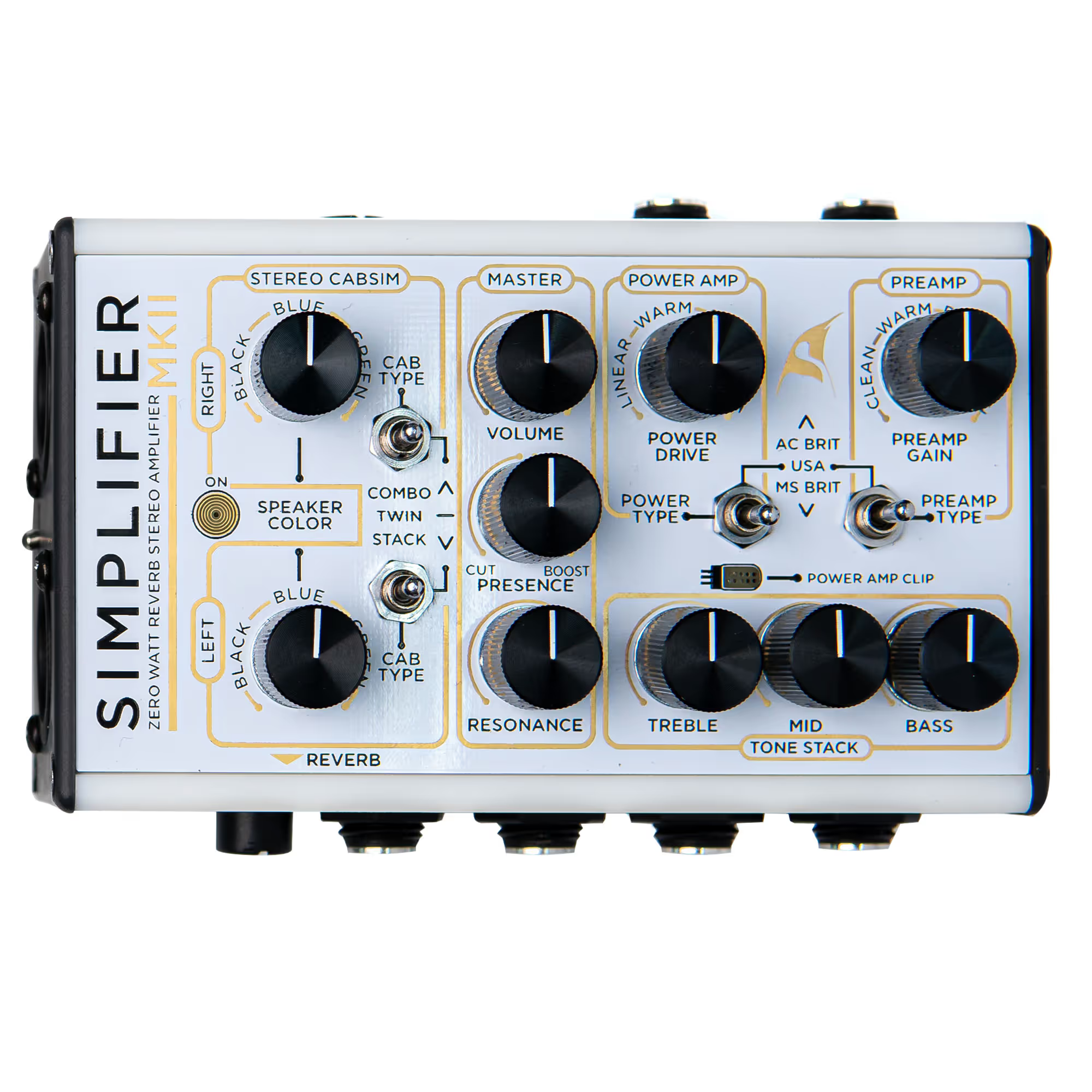
• Stereo Reverb: After the FX loop, a stereo reverb effect is applied to the signal. You can control the amount of reverb with the REVERB knob in the front of the pedal, and select 3 types of reverb (Room, Ethereal, and Plate). The Reverb can be switched On and Off with the REV/PAB footswitch when the footswitch function switch is on the “REV” position.
• Stereo Cabinet Simulation: For each channel (left and Right) you can select the Speaker type and the Cabinet Type:
• Speaker Type:
◦ G12M: Greenback Speaker, defined highs and ready to Rock.
◦ G12H: Cream Back, smooth and jazzy.
◦ EV12L: Sparkly, detailed, and with a lot of bite.
• Cab Type:
◦ 2x12: Open Back 2x12 with present Mids and round overall response with extended low end.
◦ 1x12: Open Back 1x12 Combo. Less boomy, presence in the higher midrange.
◦ 4x12: Closed Back Stack. Strong resonant low end and flatter response.
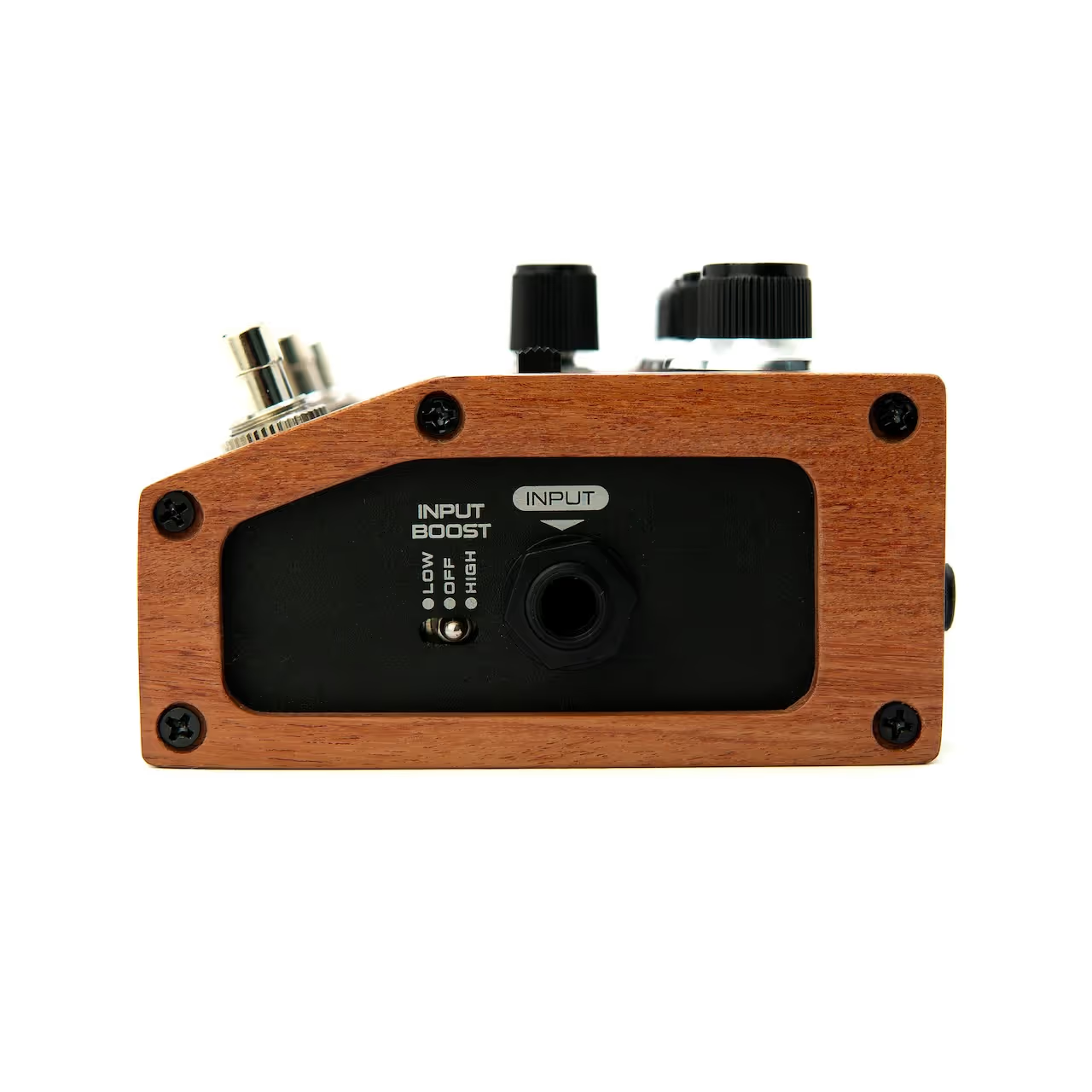
• Input boost switch: The Dumble ODS features a JFET boost input. The Input Boost switch gives you the option to boost -8dB (Low) or +12dB (High). Low output guitars benefit from low boost to get the most of the Dumblifier. Also, on high boost, you can use the clean channel as a crunch channel and clean it up with the guitar volume knob.
• Aux select switch: Selects if the Aux signal is reproduced only on the headphones or also on the outputs.
• DI out: DI out Left and Right. The Cabinet simulation is always activated on these outputs.
• TR Outs (R&L): The TR outputs have switches to select if the cabinet simulation is included or not. Use Cab bypass if connecting to a guitar amplifier (input or fx return) or if using an external cabinet simulation. Use Cabinet simulation if using a flat (FRFR) response amplifier, or into a mixing console or recording board.
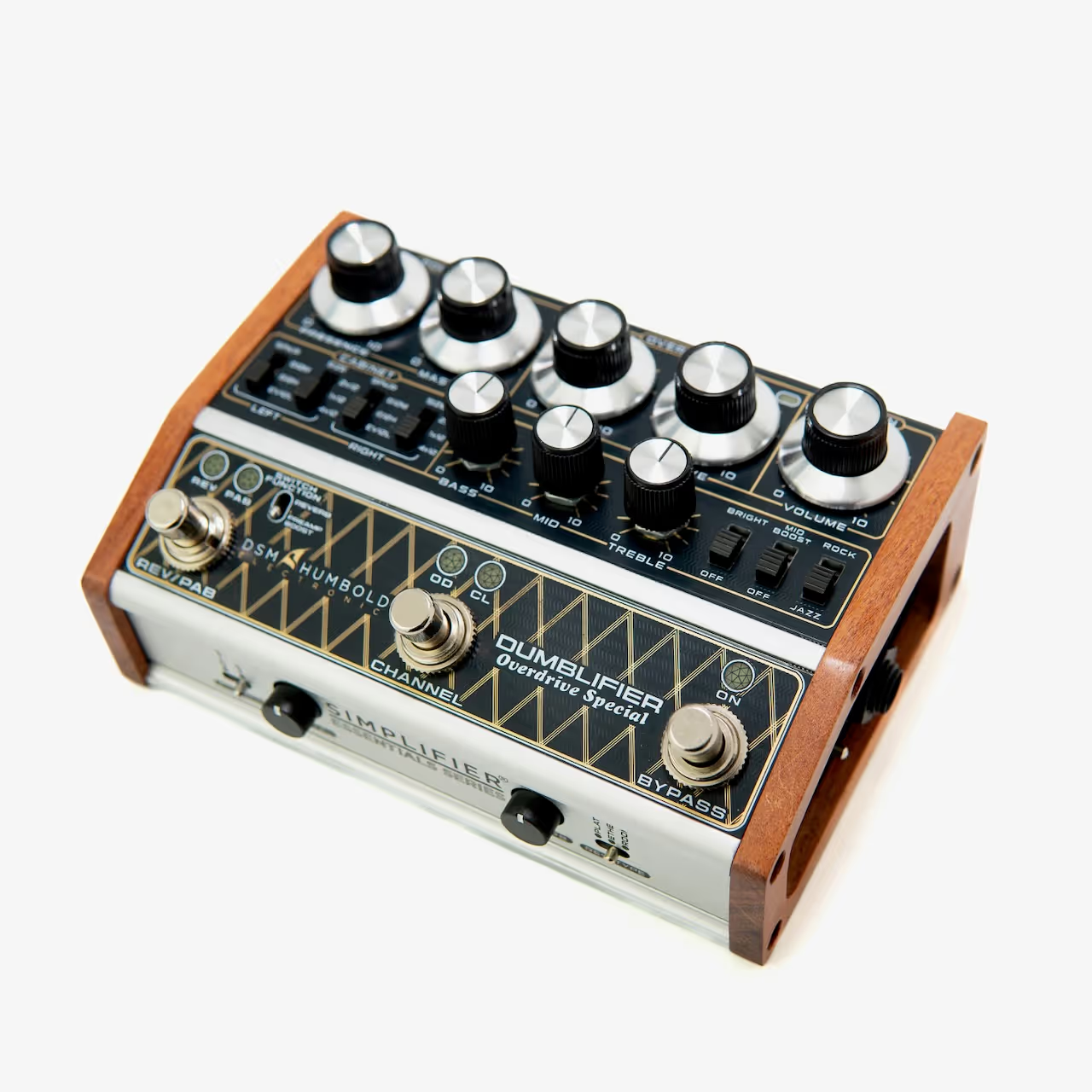
HEAVY DUTY, custom-made anodized aluminum enclosure with a sandblasted finish.Wooden side panels add a unique touch and premium feel.
LOW POWER CONSUMPTION : 200mA / 9V center negative
COMPACT SIZE : 13,5x11,5x6.5 cms -- 5,5x 4,4x2.5 inches Weight: 620 grs. -- 1,3 pounds
Power supply requirements :
Voltage: 9V DC regulated
Connector: 2.1mm DC jack, Center negative
Current consumption: 200mA
Recommended supply current:250mA and up
Input Impedance:Input: 1Meg Ohm L & R return: 1Meg Ohm
Output impedance:Send: 1K Ohm
Unbalanced Outputs: 4.7K Ohms
Balanced Outputs: 100 Ohms
Headphone amp specs:Power: 135mW into 32 Ohms.
* Use with 16, 32, 64 and 96 Ohm Headphones.
* Loss of power can occur with higher impedance headphones.
For decades, guitarists around the world have dreamed of capturing the magic of the mythical Dumble Overdrive Special. Until now, the only way to approximate this experience has been through digital modeling—solutions that may reproduce the sound, but always fall short of replicating what truly makes these amps legendary: the feel under your fingers. The Dumblifier Overdrive Special by DSM Humboldt Electronics breaks that barrier. By using our proven analog amplifier modeling technology, we have not only recreated the tone but also the unique compression and touch response that makes every note bloom, sustain, and sing—just like on the original amps.




%201.png)
%201.png)